Treyf
1998
Film
Feminism, Nationalism, Religion
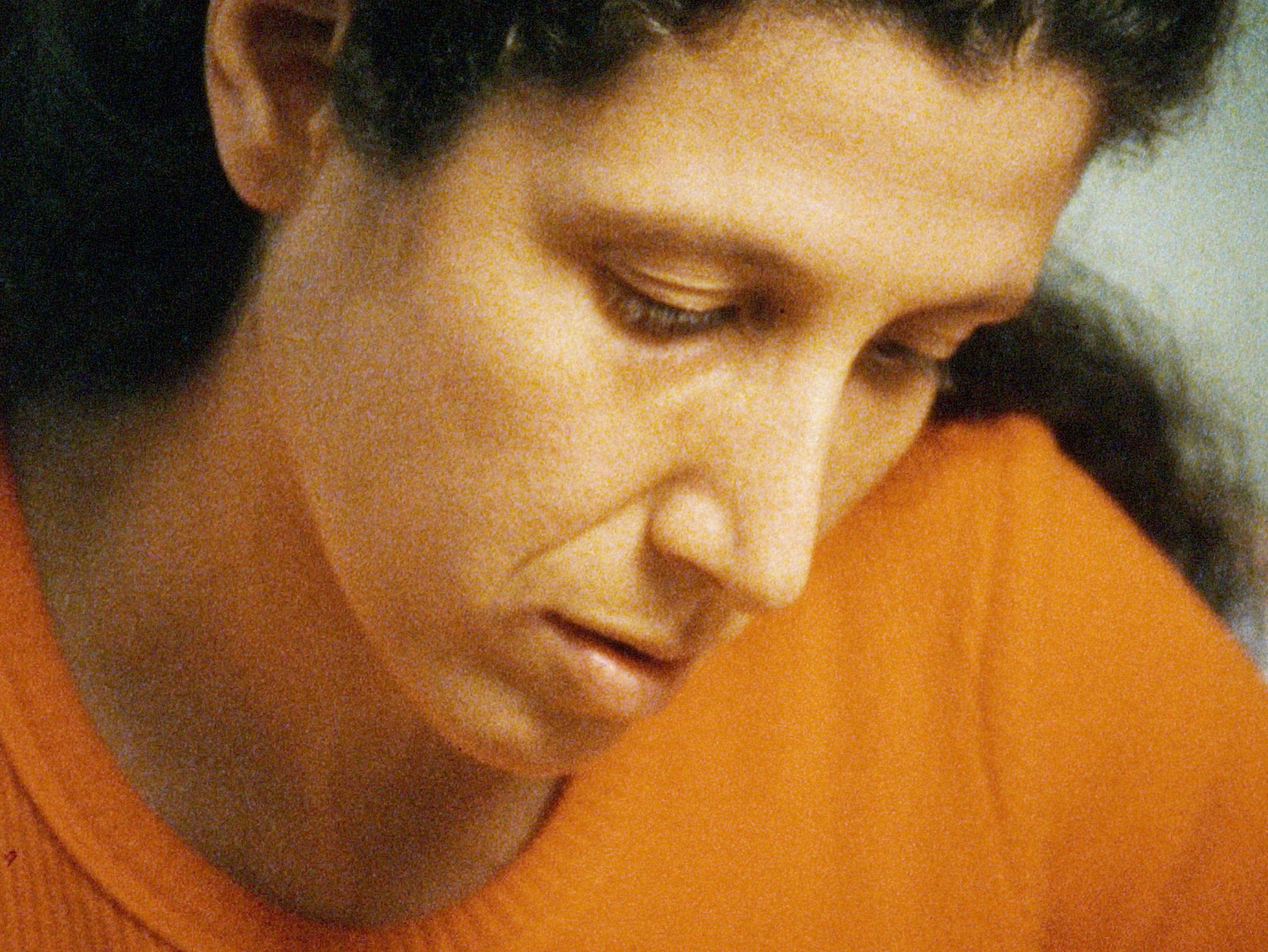



Directors: Cynthia Madansky, Alisa Lebow
16 mm ◊ 54 min.
“Was it all just too Jewish?” ponders Alisa Lebow at the beginning of Treyf, as she details her initial encounter with collaborator and then partner Cynthia Madansky. What follows is a romantic and creative exchange that will lead the pair to examine their relationship to each other as well as the titular designation. “Treyf”, meaning unkosher in Yiddish, is introduced by the filmmakers as an “insider-outsider” term – one must be inside enough to understand it, yet to identify as such inherently marks one as other, and it’s this tension that is explored throughout.
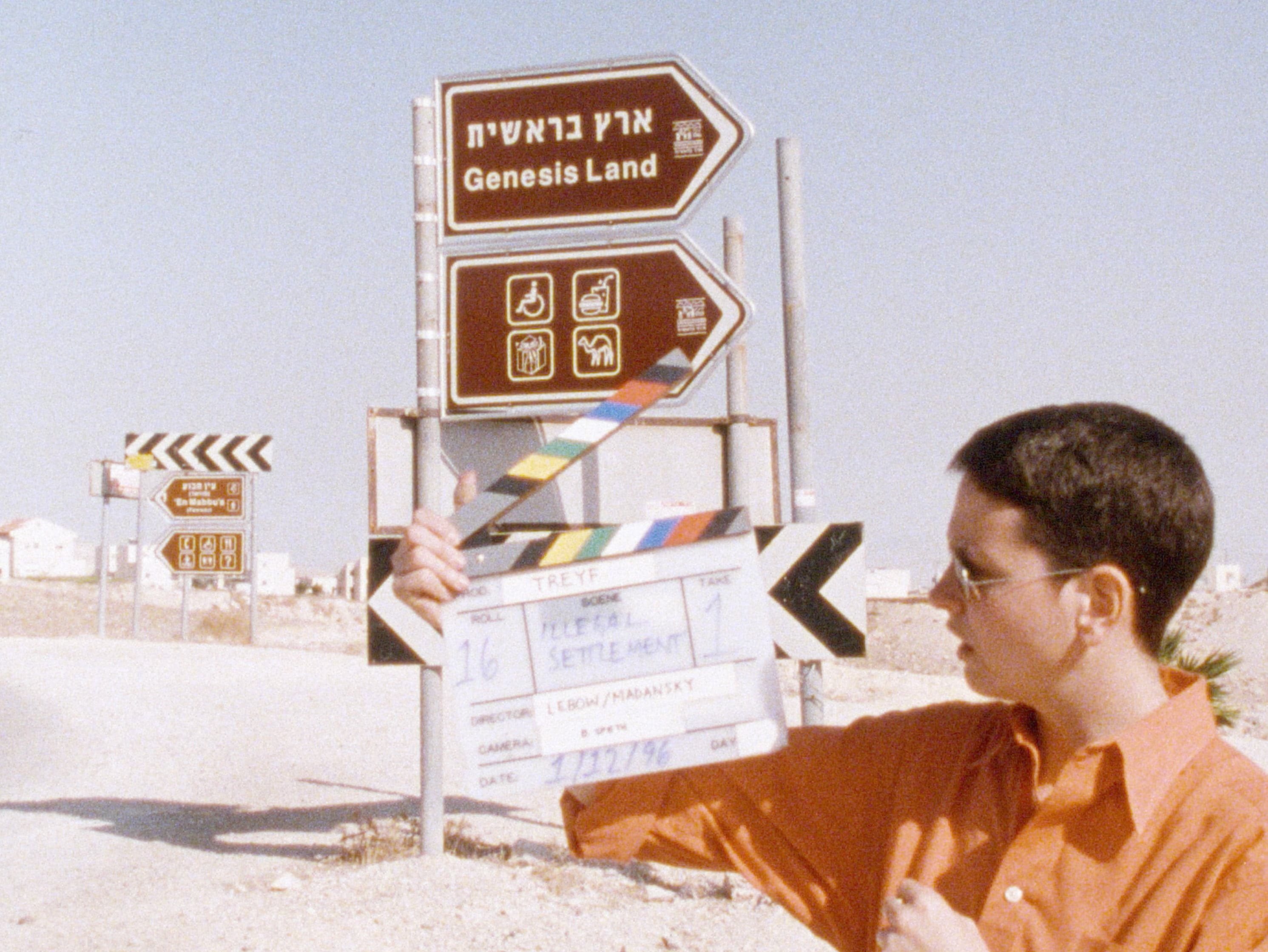
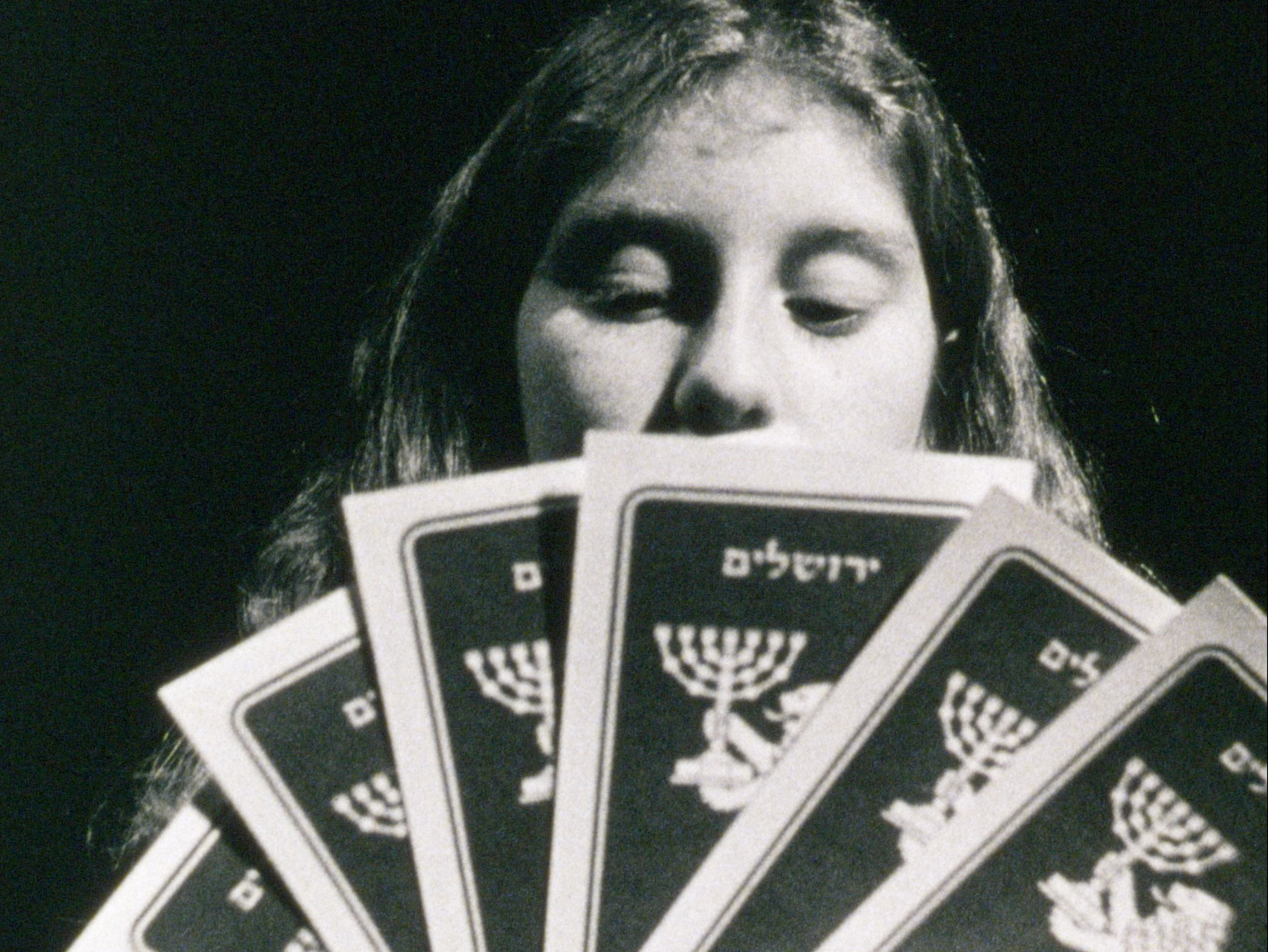
Dynamic and multimodal, Treyf deploys a sense of humour and wit that never underserves the lucid, existential inquiries at its core. Throughout, Madansky and Lebow’s relationship to each other, to Judaism, to Zionism, to the American Jewish diaspora, and to the queer community are refracted through various formal approaches and critical entry points. These include food; childhood and familial memories; pop culture; the lives of others, intergenerational Jewish lesbians; a tour of the gentrified former tenements of the Lower East Side; and—in one of its richest, most complicated passages—a trip to Israel and the Occupied West Bank.
A curious, complicated object as seen from the present, Treyf manages to be at once of its time and ahead of it. For all that the film reflects the conversations and concerns of its then-contemporaneous moment, such discussions come across refined and nuanced as much as they are also tender, playful, and insouciant.
Invoking the language and form of documentary filmmaking in an atypically direct—albeit slightly tongue-in-cheek mode—the filmed gathering of Queer Jewish women and non-binary persons utilizes talking head interviews to not only offer space for these voices, but also to comment on the mainstream media use of the form.
Elsewhere, shooting between the Oslo Accords and the Second Intifada the film captures a moment of tentative—and of course ultimately fraught—optimism regarding the potential for Palestinian-Israeli relations. Yet it remains unflinching and progressive in its examination of the ongoing expansionism of illegal settlements in the West Bank. It accepts and evinces real concern about antisemitism, while forcing a distinction between attacks on Judaism and critics of the Zionist project—something that remains intentionally muddied today.
Refracted through the (Jewish) American lens that guides the larger project, the artists draw a clever connection between two frontier mentalities. “Israel is irreconcilable” they ultimately accept, in a phrase that could very well be used to describe Madansky’s later works like Still Life (2004) and Harām (2017). Among Madansky’s most accessible films, balancing a buoyant form with a deep critical inquiry, Treyf is a rare work of art that captures a specific moment in time while retaining its contemporary relevance.