Still Life
2004
Film
Nationalism, War
Director: Cynthia Madansky
Music: Zeena Parkins
Super 8 mm, 35 mm ◊ 15 min.
“Do you like the view?” Borrowing its title from art history, Cynthia Madansky’s Still Life could also have been named after the literary perspective used in its interrogatory voiceover: second person.
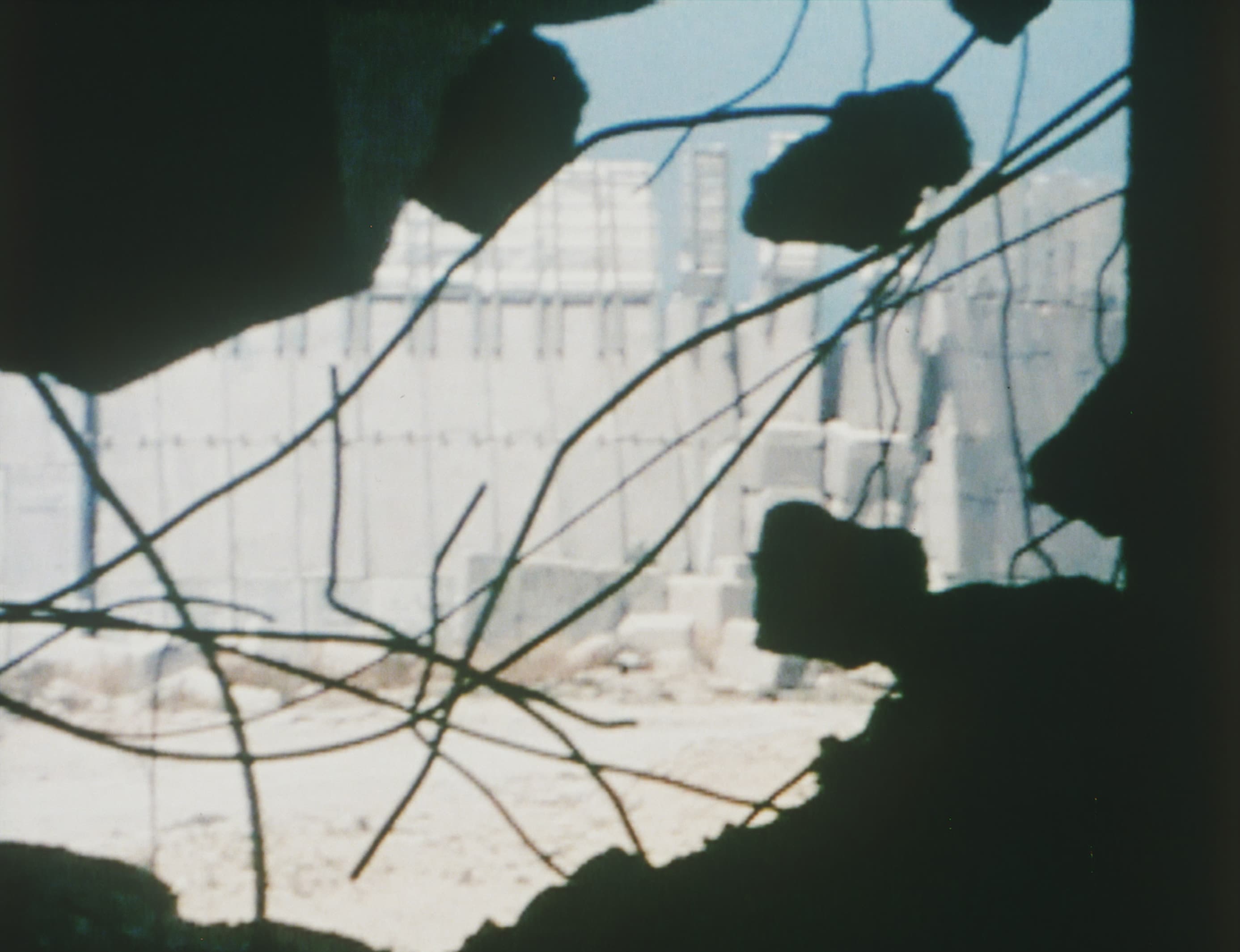
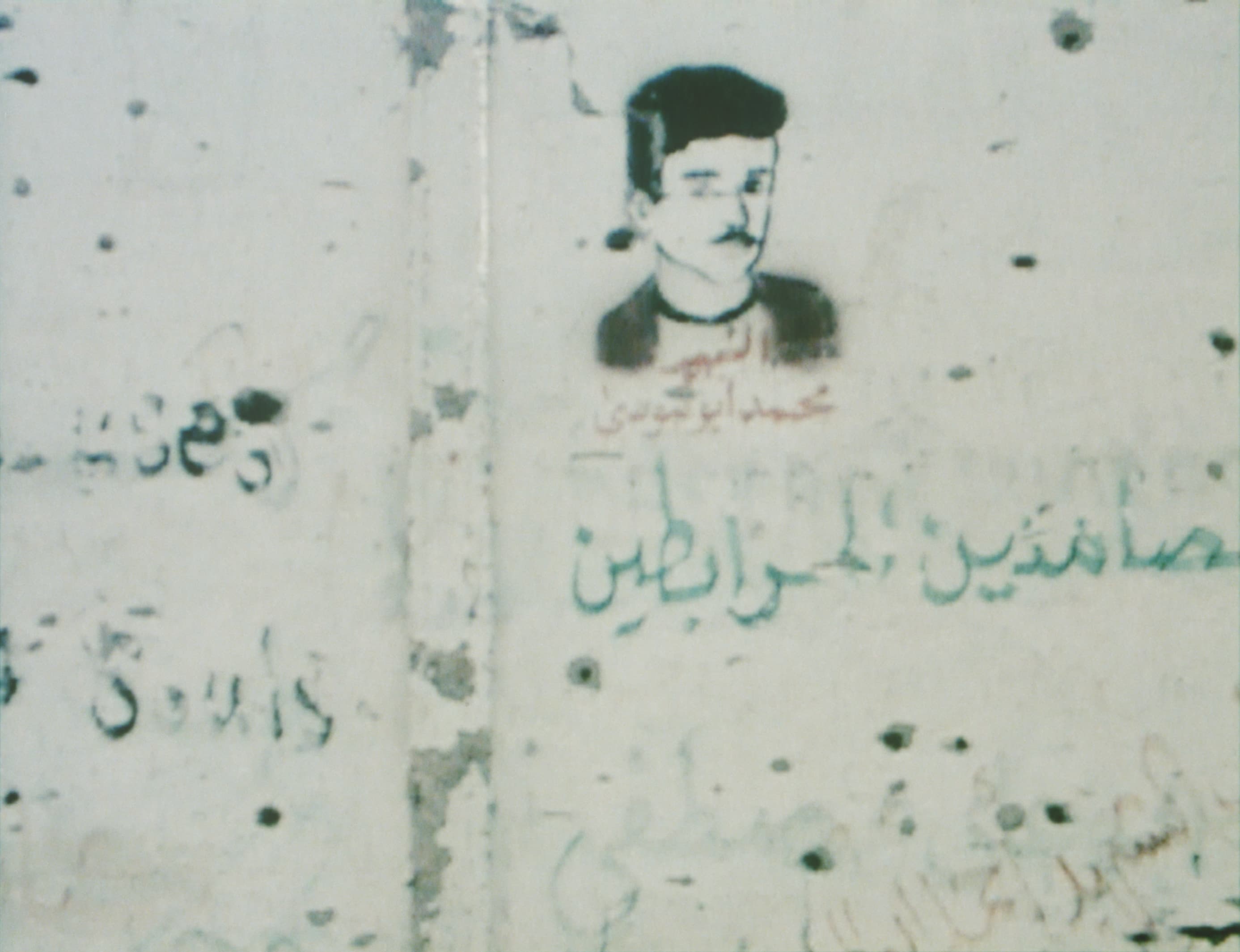
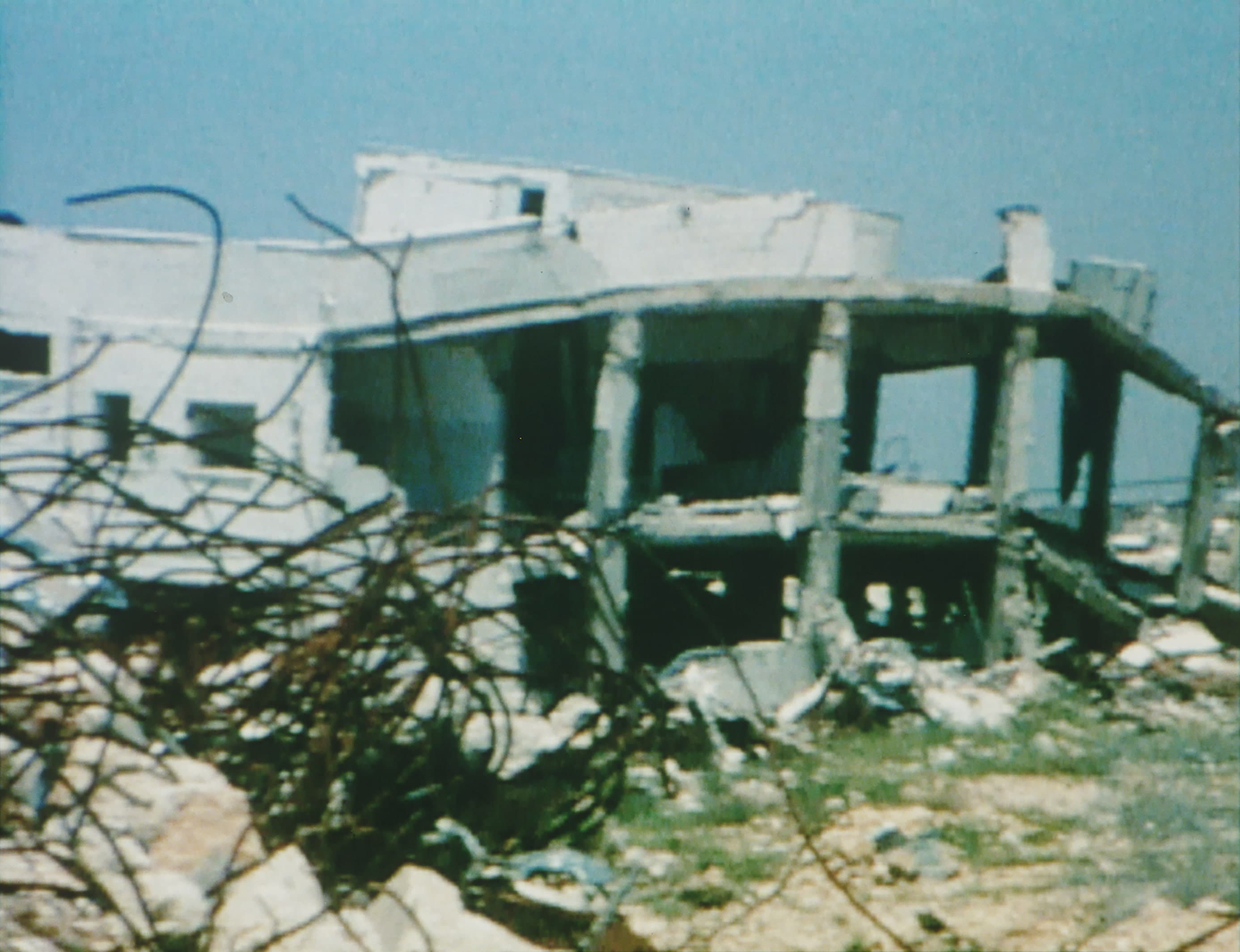
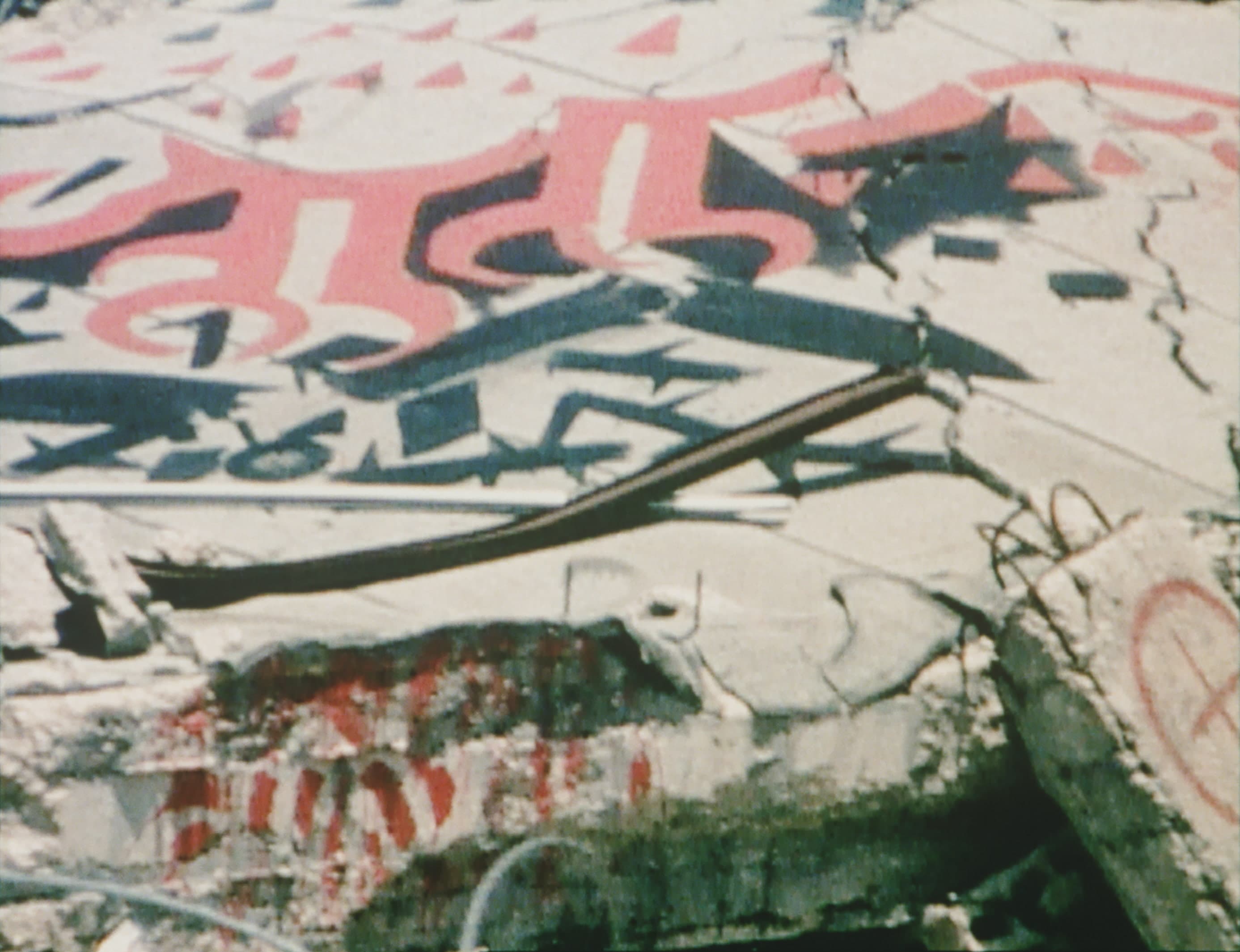
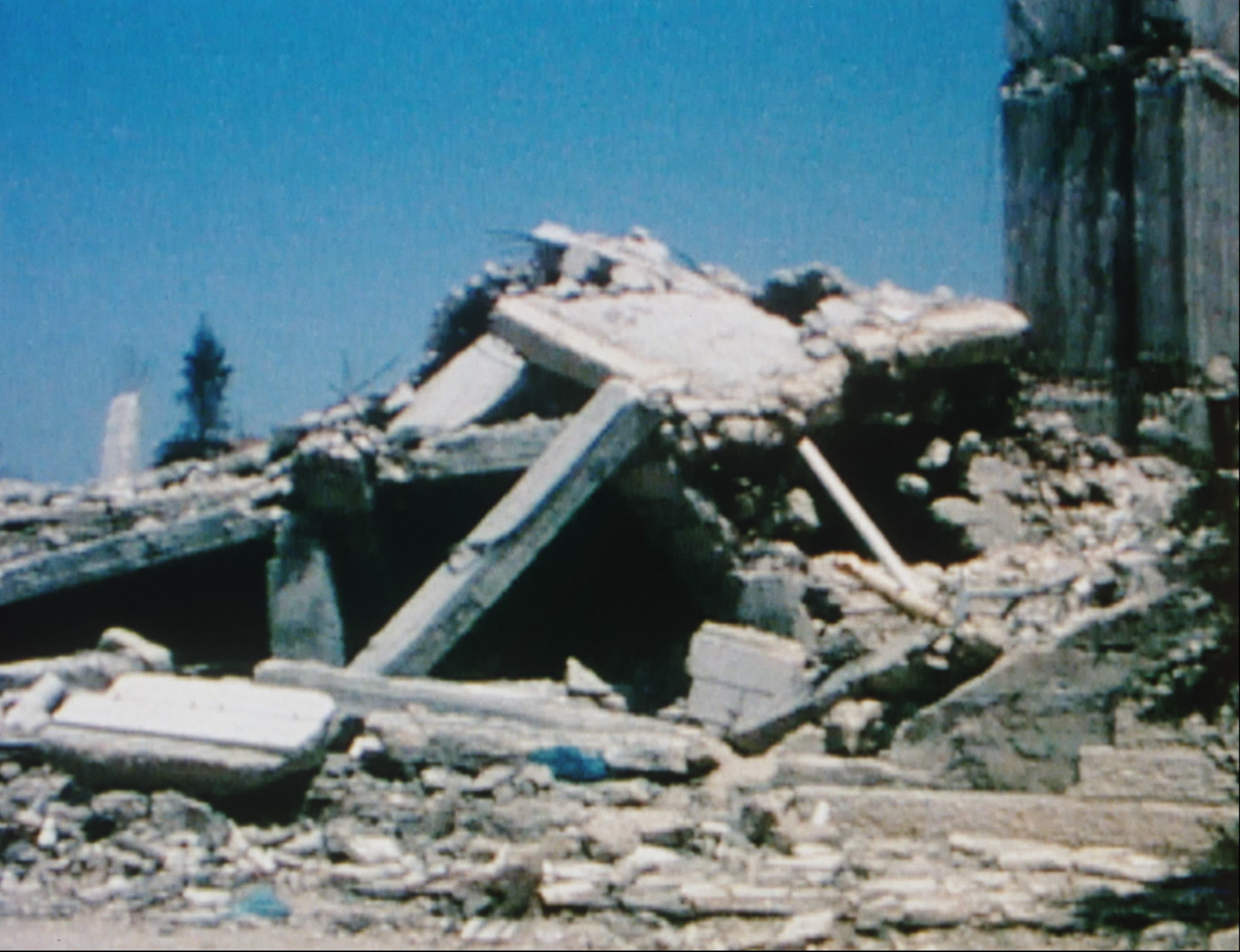
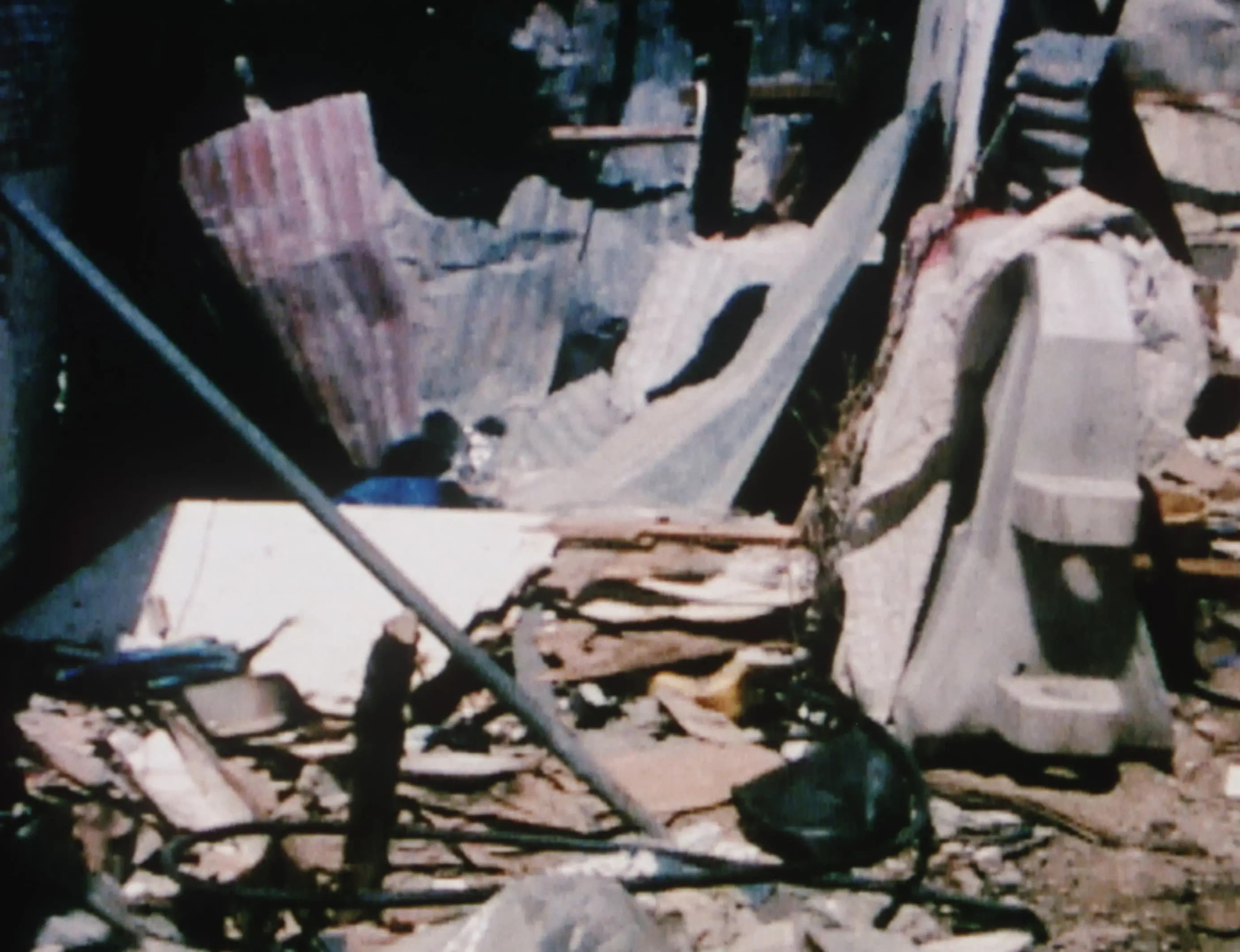
Shot in the West Bank and Gaza in 2003, the film is an incensed cri de cœur against the Israeli army’s ongoing assault against the Palestinians, forced to live under military occupation. Throughout we see the architecture of occupation, counterbalancing the functional structures of checkpoints and separation walls with the rubble of decimated homes. Throughout images of destruction are offered without rendering the geographical location explicit—such details are extraneous. It’s enough to know that these were bedrooms, kitchens, sites of life.
In the context of the footage we’re seeing, designations between Jewish/Israeli and Palestinian are immutable, and lethal in their fixity. Such rigidity however, is set against the far slipperier “you” addressed in the voiceover: “Do you know where you are?” While entirely scripted, many of the questions could have been adapted from a checkpoint interrogation questionnaire (“Do you think there are ever any heroes?”) or, elsewhere, a promotional video directed towards visitors or even potential settlers (“Would you move here?”). Of course, we are also implicated as viewers. Produced in the era before smartphones and the proliferation of such images of destruction, the question “Have you seen this before?” bears an epochal weight, as many may have not—or may have simply chosen not to. Similarly, the probes “Who is paying for this? How much does this cost?” are ahead of their time in their blunt critique of not just Israel but Western nations—particularly America—for their fiscal, military, and ideological support for this carnage.
Shot on raw Super 8mm, the film’s sense of unease and perturbation is further elevated by Zeena Parkins’ abrasive, static-laced sound design. Across 15 minutes Madansky lays bare the cruelty of destruction and displacement.