Past Perfect
2002
Film
Nationalism, War
Director: Cynthia Madansky
Interview: Anna Madansky
Voice: Krysia Fisher, Sylvia Faddis
Music: Zeena Parkins, Winter and Winter, Pauline Oliveros
16 mm ◊ 42 min.
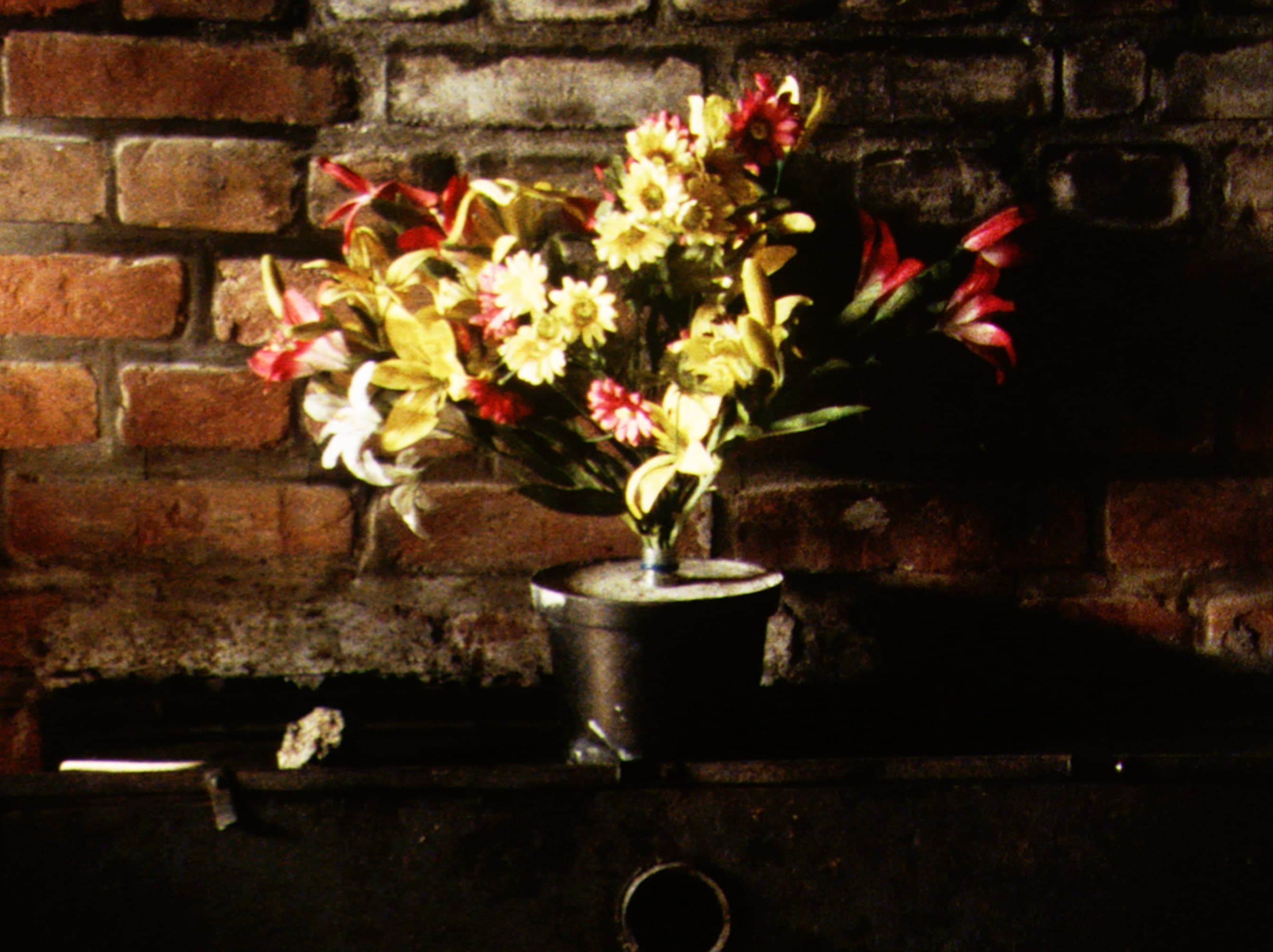
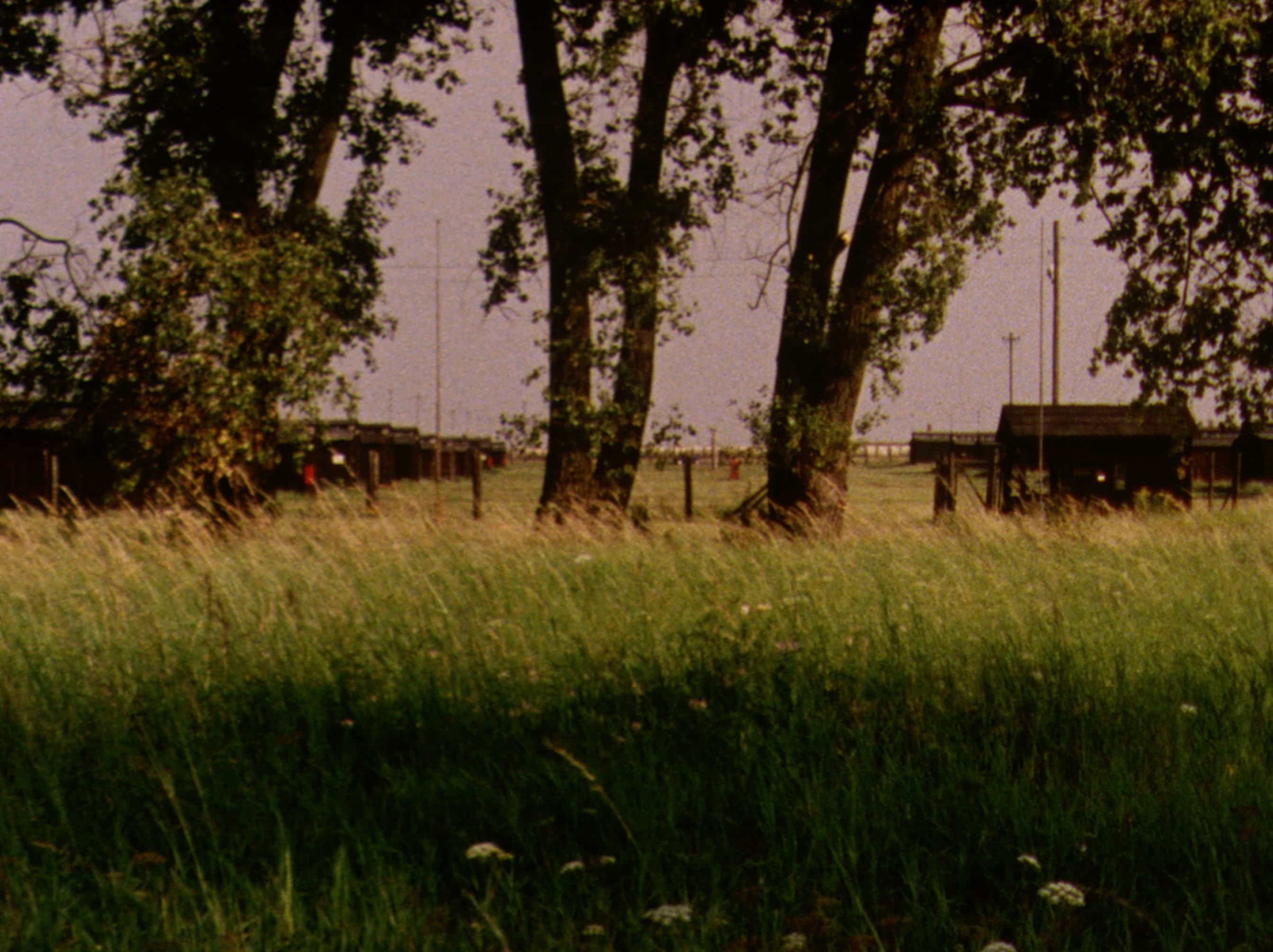
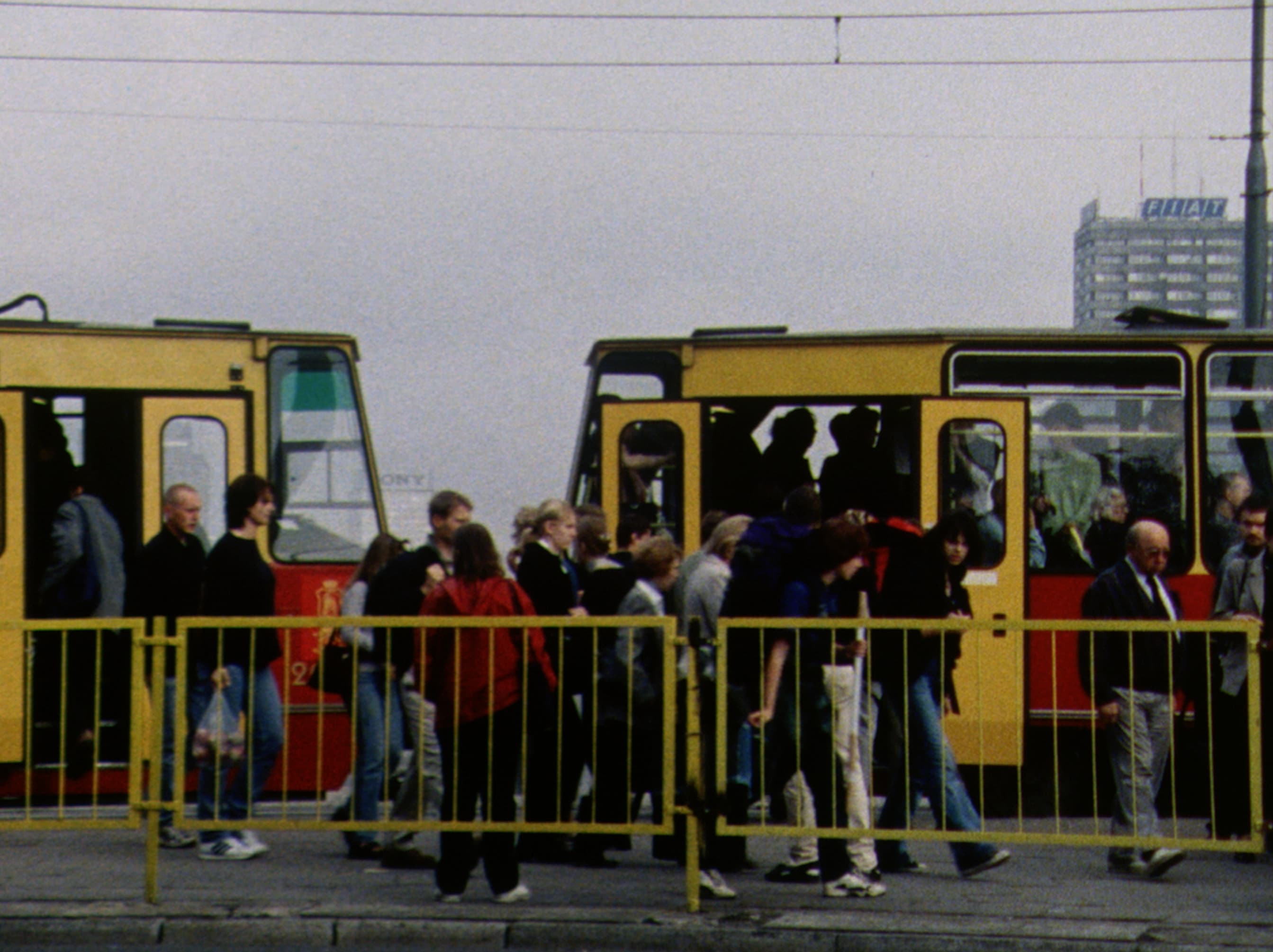
At once a thematic continuation of Treyf, as it explores the filmmaker’s relationship with Judaism through history, family and forced migration, Cynthia Madansky’s Past Perfect is also a pivotal work in the filmmaker’s oeuvre, one that prefigures the approaches and devices of several subsequent projects. It is, quite literally, a departure, as she offers a nonlinear, geographically fluid tour across Poland to visit key sites of memorial to the holocaust.
Past Perfect might be described as a meta-travelogue for the ways it invokes and troubles the codes of the form. One way it does so is by expanding its frame of inquiry beyond Poland in particular and Eastern Europe in general, by intercutting the footage with passages of her 91-year-old grandmother’s daily life in North America. She makes the bed, she putters, she patiently answer’s her granddaughter’s questions about these very quotidian acts. Whereas we can sense a desire from the filmmaker for philosophical, existential reflections on the part of this refugee who escaped Poland, she instead responds with minimal but nonetheless deceptively profound attestations: “If I get up in the morning, it’s good.”
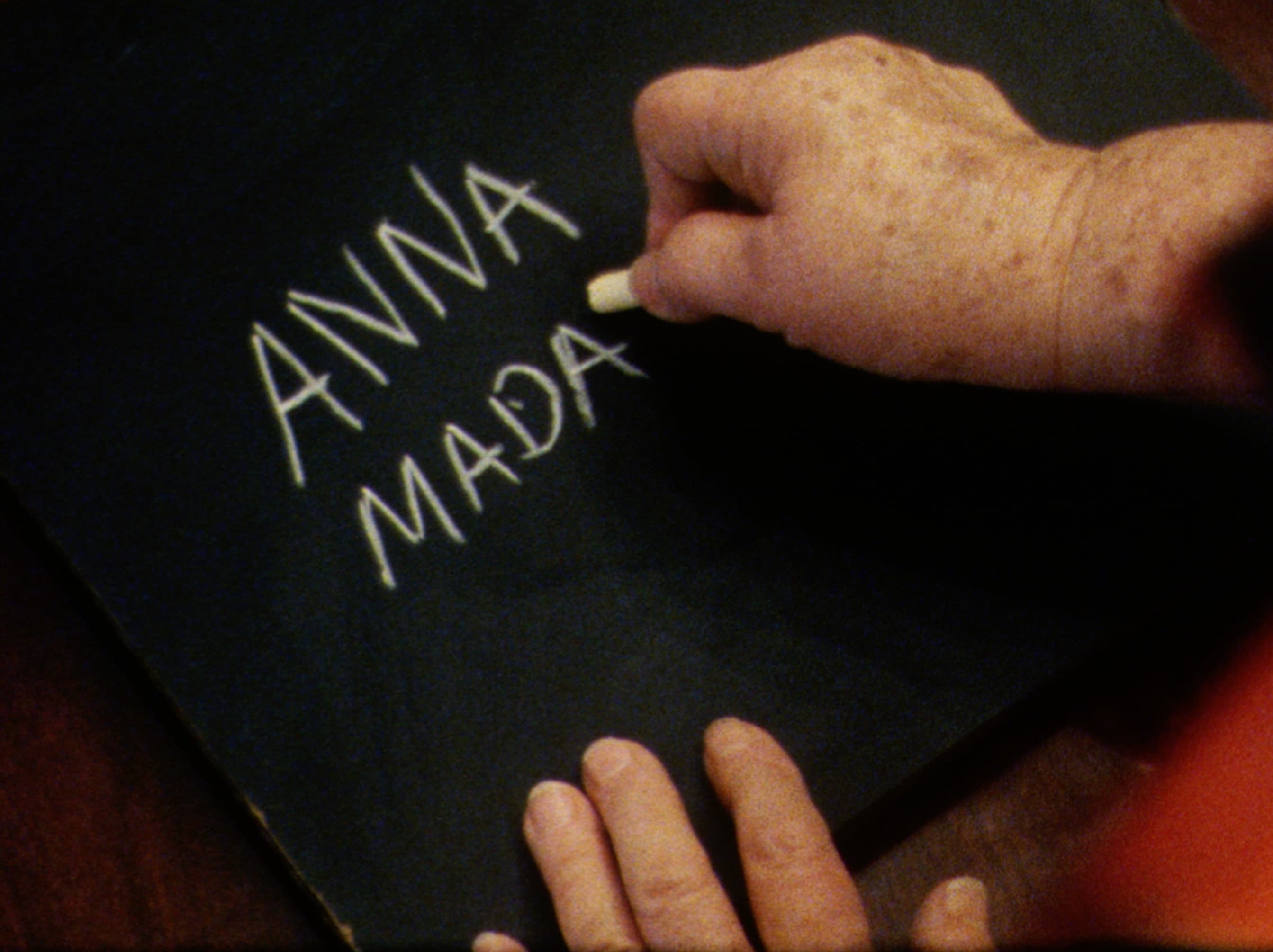
In one extended passage we see her aged hand write in chalk with deliberate, measured grace: Anna Madansky. In a film that searches for and posits various senses of self as defined variously by history and trauma, this act of self-affirmation is at once modest and profound. It’s well-situated in a film whose approach is appropriately unadorned.
The figure of the filmmaker’s grandmother is set against that of Bella Chaya, Madansky’s great aunt — her spitting image — who died in Treblinka. Throughout, we hear of scenes from her life, both historical and imagined. Both Bella Chaya and Anna Madansky inform the reflections of Madansky the younger, grappling with her own position within this immense history, this immense trauma.
The three women are threaded throughout the film’s polyvocal narration, accompanied — in a gesture that further subverts the travelogue — by spoken excerpts from popular tourist guidebooks. These ironic, second-person directives and tips, reminding us to be aware that Auschwitz is closed on Easter, Christmas, and New Years, for example, provide a welcome bit of droll distance in a project with a tremendous amount of weight. As directed by her guidebooks, the film begins in Warsaw, the “ideal place to start most journeys across Poland”. From here the movements are less schematic than one might expect, as if to reject a single approach to or understanding of memorialization.
Added to these three voices is a fourth who introduces themes of grief and mourning. The film asks how such existential processes operate on both an intimate, minor scale and across generations, across communities. How can grief be overcome, if at all?
It asks if, and how, might this very act of filmmaking serve such a purpose? Past Perfect is further reflexive and critical in its examination on the place and role of art in the act of commemoration, lingering over concrete memorial interventions that dot Warsaw’s center. Considering such interventions obviously doubles as a reflection on this very project at hand. What place is there for beauty and experimentation in the face of such monumental monstrosity and the responsibility of representation?
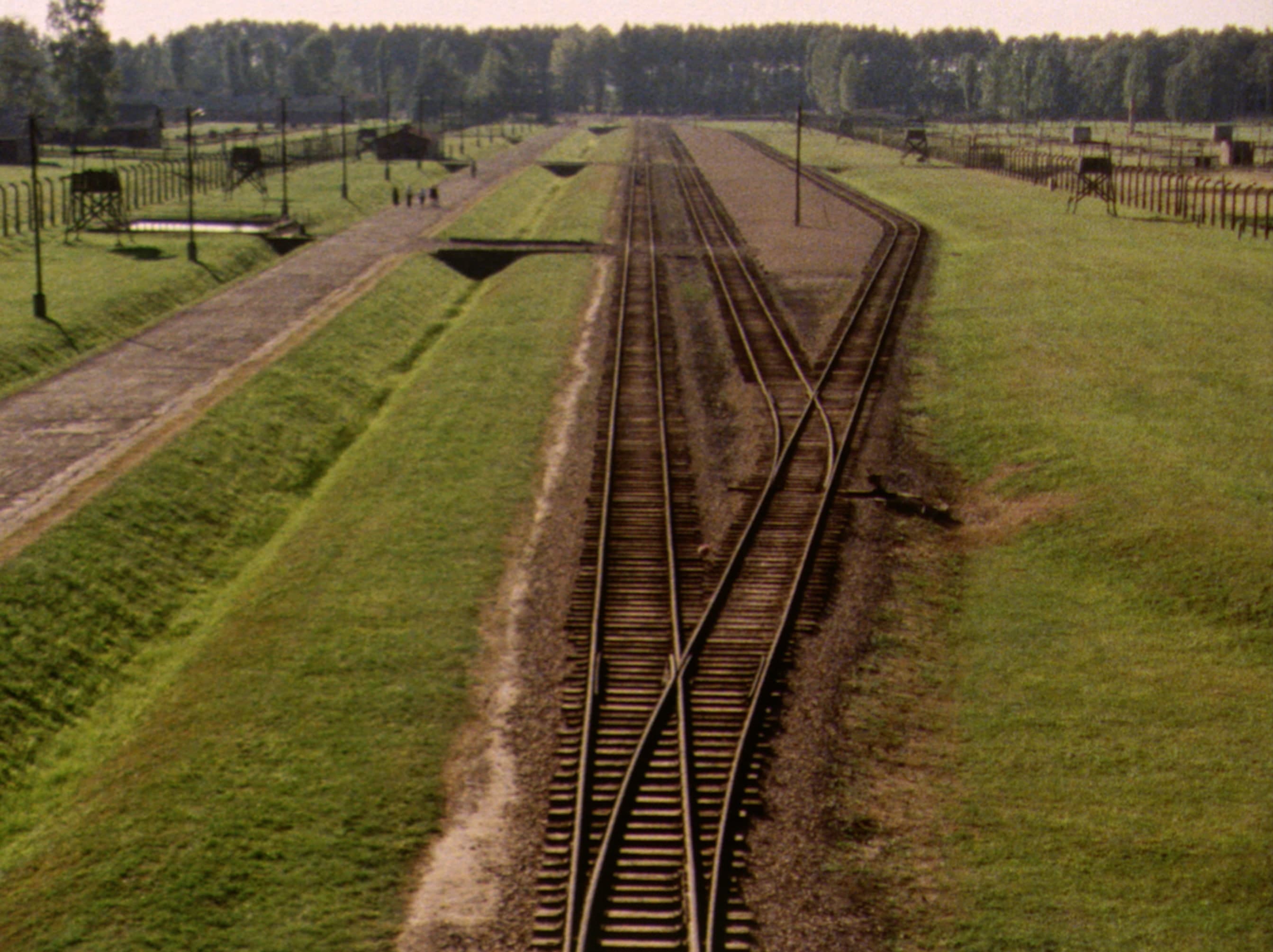
The tension emerges at the film’s culmination, an uncharacteristic gesture in both literal and figurative terms, in which Madansky employs a slow pan over the terrain of Birkenau set to a neoclassical composition by Ernst Reijseger. It’s a rare stylistic aberration in Madansky’s work, an artist more often habituated to compositions, and whose deployment of music can almost never be accused of operating in service of emotional cues.
But the moment is, undeniably, emotional, and the filmmaker permits this space of clarity and catharsis. After a film in which she has negotiated her position as woman, granddaughter, the Jewish descendent, tourist, filmmaker and more, we arrive at a point that is at once all of the above and none of the above, a moment of clarity, presence, and grief.